

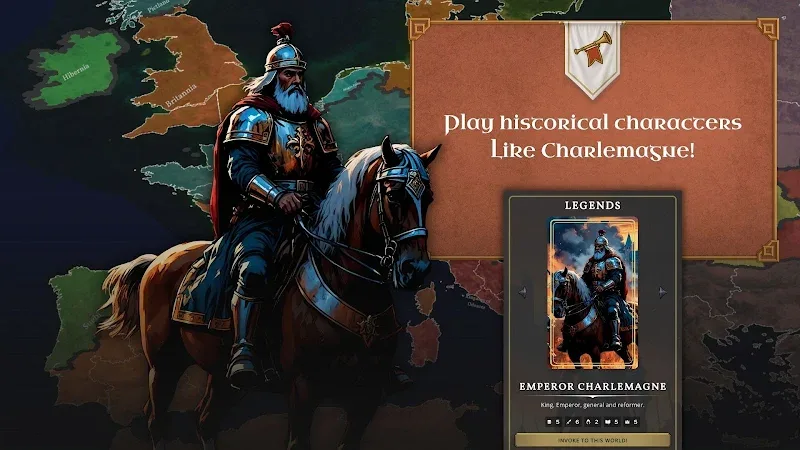
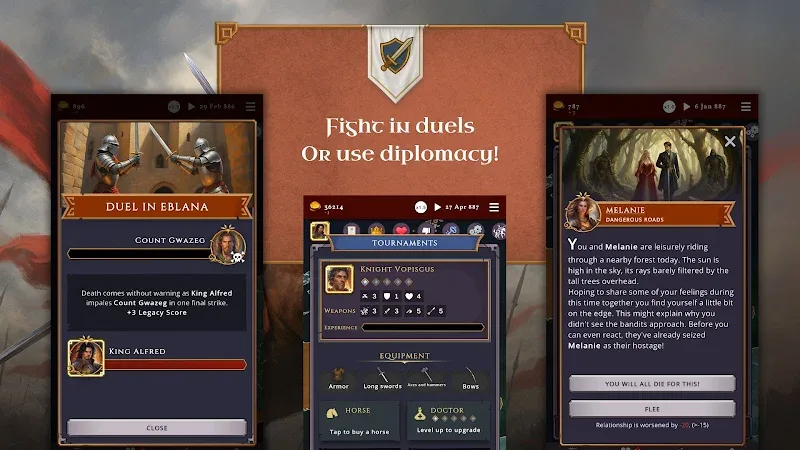
Instead of drawing players into endless grinding loops or dry data tables, Charlemagne Medieval Strategy chooses a direct and emotional approach to the early Medieval period. The game places you in a volatile historical context from 800 to 1095, where the line between a great emperor and a defeated loser is only separated by one wrong decision at the council table. I am truly impressed with the way developer Aerilys creates a true historical “sandbox” playground—where you not only command troops and generals but also must learn how to survive within your own court. An experience authentic to the point of amazing.
DEEP STRATEGIC MANAGEMENT
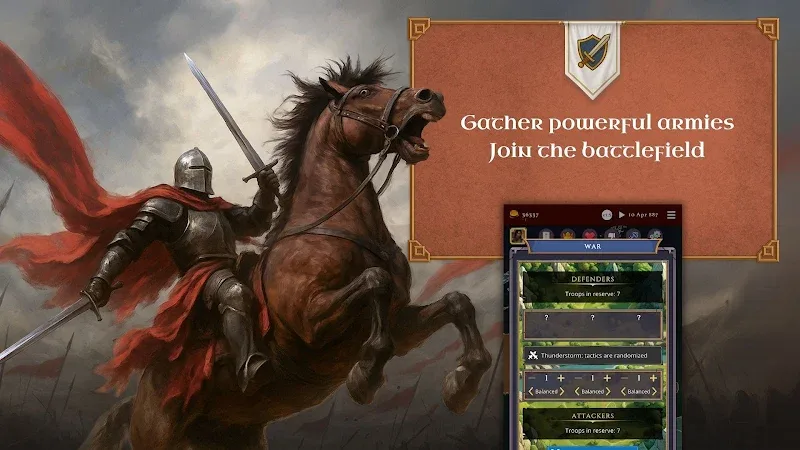
The game does not just stop at deploying troops on the map but also requires you to balance between political power and the stability of the dynasty. You will find yourself stuck between brain-straining decisions: whether to splash money on building solid castles or use that gold to “buy” the loyalty of ambitious advisors.
- Complex economic system: Manage resources and cash flow in a realistic way to maintain a sustainable empire.
- Dynamic council control: Deal with unruly subjects and persuade the scheming advisory council.
- Strategic city building: Freely develop cities and strengthen defense systems with massive castles.
AUTHENTIC LIFE SIMULATION
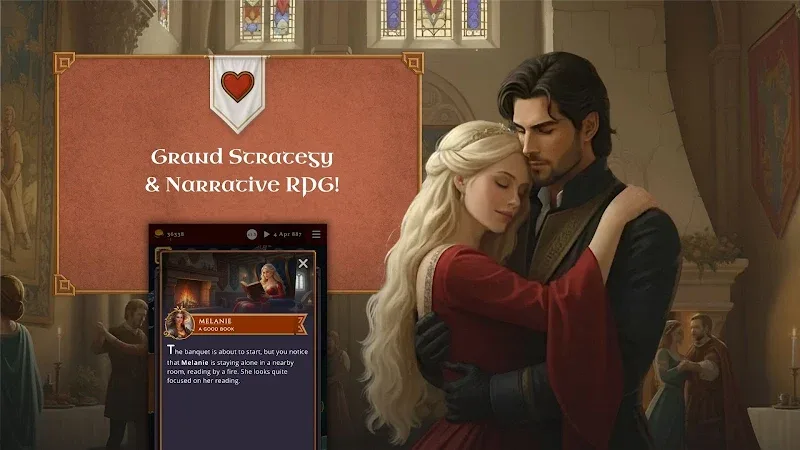
The point that makes me most interested in Charlemagne Medieval Strategy is exactly the life simulation element integrated extremely skillfully. You are not a soulless war machine; you are a human being with full levels of emotion, from seeking true love to the effort of maintaining the lineage so the empire does not collapse after you pass away.
- Dynasty lineage establishment: Establish a long-term dynasty and ensure the successor is brave enough to hold power.
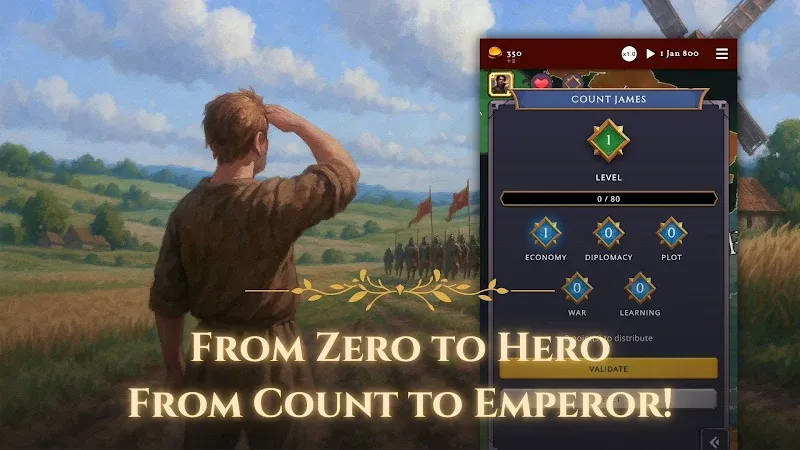
- Character attribute progression: Accumulate experience points through events to upgrade attributes for the character.
- Narrative historical events: Participate in tournaments, expeditions, and real geopolitical situations.















Comments (0)